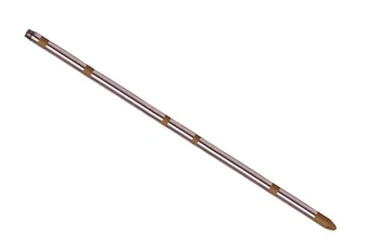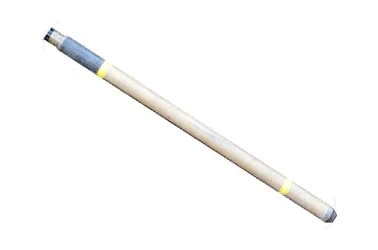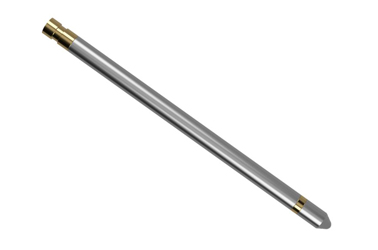


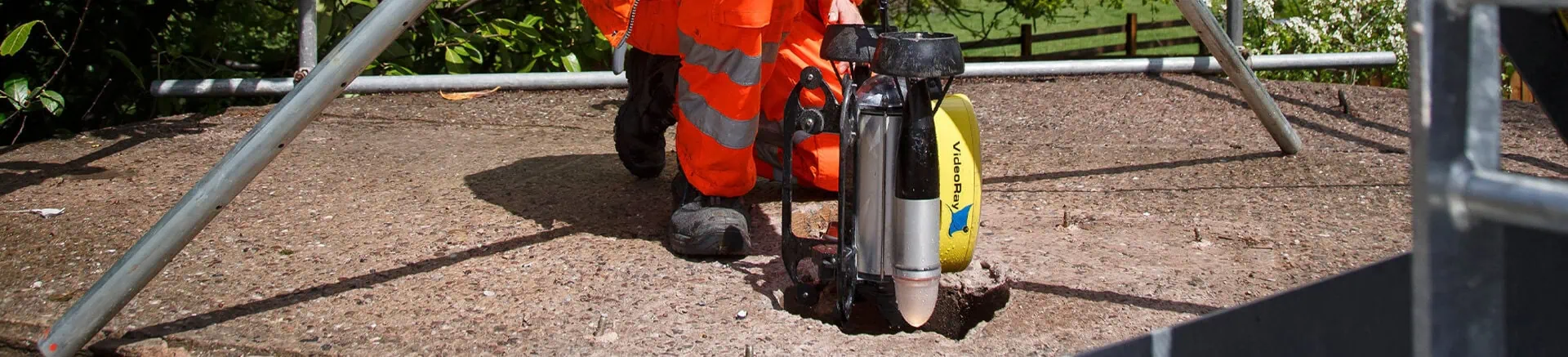
Normal Resistivity + SP Tool (Elog)
Precision Radiation Measurement for Subsurface Analysis
The Normal Resistivity + SP Tool (Elog) is a versatile instrument designed to measure the resistivity of materials surrounding the borehole. It produces three distinct logs—Point Resistance (PR), 0.5m Normal (0.4m NR), and 1.6m Normal (1.6m NR)—each with different radii of investigation and resolution.
- Point Resistance (PR): Offers the highest resolution with the smallest radius of investigation.
- 0.5m Normal (0.4m NR): Balances resolution and radius for intermediate measurements.
- 1.6m Normal (1.6m NR): Provides the greatest radius of investigation with lower resolution.
Key Features
These logs are influenced by formation porosity, mineralogy, and pore water quality. In metal-lined boreholes, the tool can deliver qualitative data about casing conditions, such as corrosion or encrustation.
Additionally, the tool records Spontaneous Potential (SP), measuring electrical potential differences caused by electrochemical variations between borehole and formation fluids, mineralogy, lining materials, or fluid flow effects. In metal-lined boreholes, SP logs can pinpoint intervals of active corrosion.
Specifications
- Dimensions: 2270mm (length) x 42mm (diameter)
- Weight: 8kg
- Resistivity Range: 1–10,000 Ohm.m
- SP Range: -2.5V to 2.5V
- Maximum Temperature: 80°C
- Maximum Pressure: 20MPa
Logging Conditions
- Logging Speed: 4–9 m/min
- Minimum Fluid-Filled Interval: 20m (due to reference electrode/bridle distance)
Borehole Compatibility
- Environment: Fluid-filled boreholes only
- Lining: Suitable for unlined boreholes
The Normal Resistivity + SP Tool (Elog) is an indispensable tool for subsurface investigations, offering accurate resistivity and SP measurements for geological, hydrogeological, and geotechnical applications. Its advanced design ensures precise analysis, even in challenging borehole conditions.