

Temperature and Electrical Conductivity Tool
Comprehensive Water Quality and Gradient Analysis
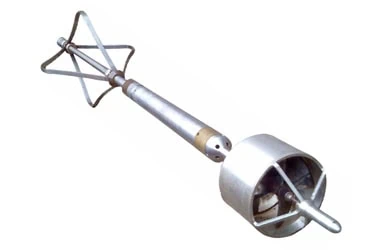
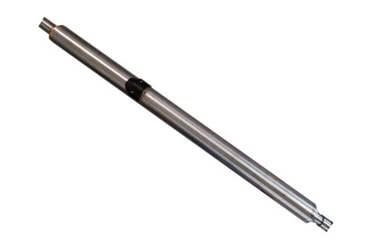
The Temperature and Electrical Conductivity Tool is designed to measure the natural geothermal gradient and water quality within a borehole. The tool detects changes in temperature (T) with depth, which are influenced by the thermal conductivity of the geological formation and any water inflows, outflows, or vertical movements.
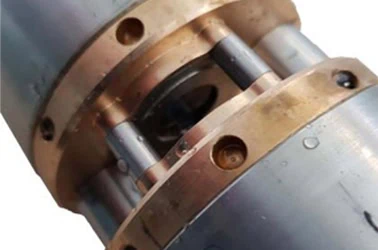
The electrical conductivity (EC) of the water is directly related to its salinity and dissolved solids, making it a reliable measure of water quality. Variations in the EC log profile can identify inflows or outflows of waters with differing qualities. Data from the temperature log is used to correct the EC values to 25°C (EC25) for standardised analysis.
Differential logs are also generated, aiding in the detection of gradient changes and enhancing interpretative capabilities. Boreholes should be properly developed and allowed to reach equilibrium with the groundwater system before logging to ensure accurate results.
Key Features
Specifications
- Dimensions: 700mm (length) x 38mm (diameter)
- Weight: 3.5kg
- Temperature Range: 2°–80°C
- Conductivity Range: 5–50,000μS/cm
- Maximum Temperature: 80°C
- Maximum Pressure: 20MPa
Logging Conditions
- Logging Speed: 2–9m/min
Borehole Compatibility
- Minimum Diameter: 50mm
- Environment: Fluid-filled boreholes only
- Lining: Suitable for unlined or lined boreholes
The Temperature and Electrical Conductivity Tool is a powerful instrument for analysing borehole water quality and thermal gradients. Its high precision and advanced features make it indispensable for hydrogeological and environmental investigations.